
March 11 ICE Raid FTCA Claims
- Latest Update: Jul 29, 2026

Summary
We submitted legal claims under the Federal Torts Claim Act (FTCA) on behalf of Johana Patin Patin and José Estrada Jerez, whose rights were violated by ICE when agents raided their home in search of a man they did not know and who was not there.
These complaints are part of a coordinated effort to hold the federal government accountable for its lawless immigration enforcement campaign, featuring 54 complaints filed by 17 ACLU affiliates and their partners.
Our Clients
Johana Patin Patin is a beloved member of her community in South Burlington, where she moved with her husband and two children, now ages 4 and 9, in 2023. She is a founding member of the advisory committee at a local family center and is described in letters of support submitted to federal court as hard-working, generous, and deeply respected by her community.
José Estrada Jerez is a 19-year-old U.S. citizen and aspiring electrician who grew up in Louisiana and Honduras. He moved to Vermont with his uncle this past winter to work in the construction industry. He and his uncle shared a house with Johana and her family.
What Happened?
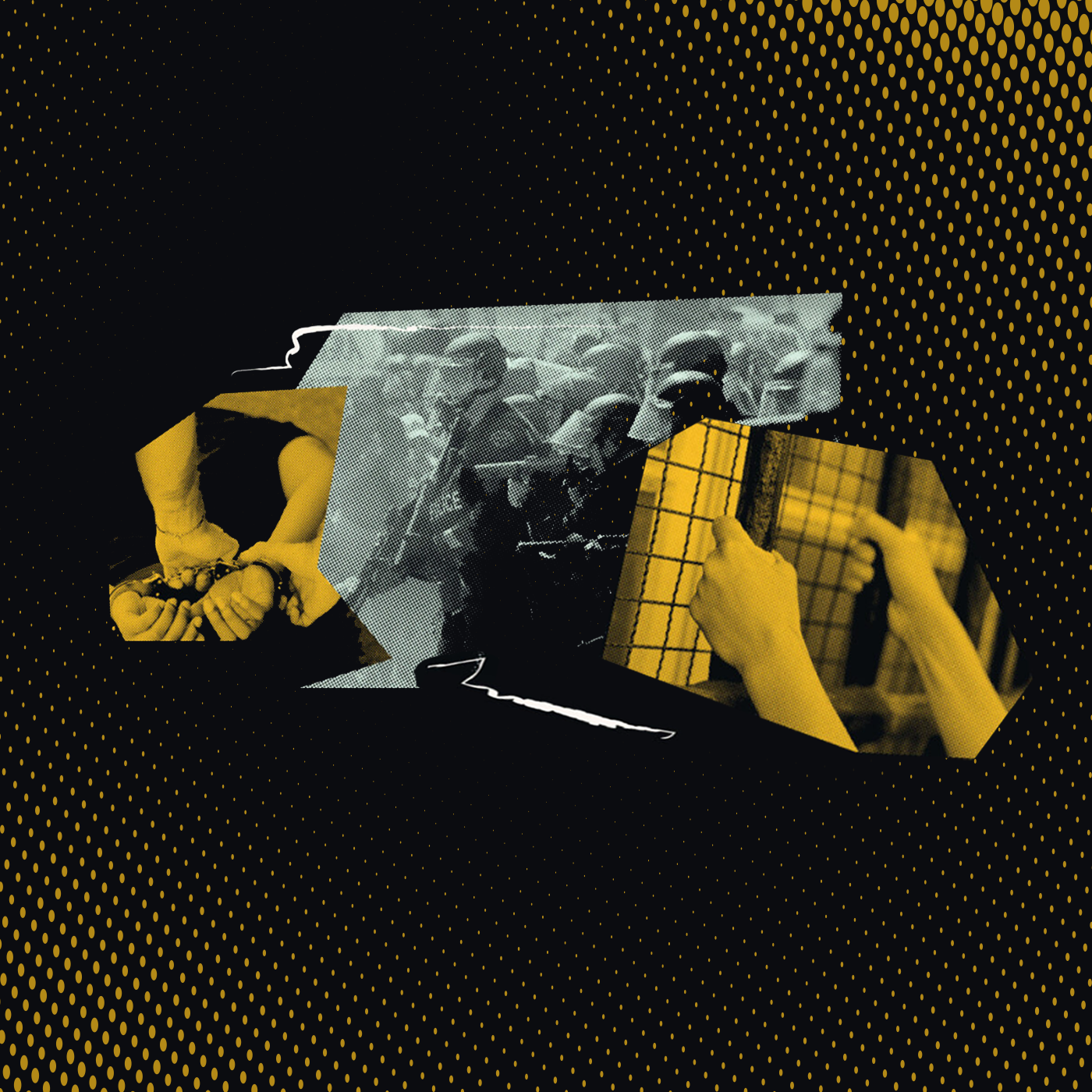
On March 11, ICE agents gathered outside of José and Johana’s home in search of a man they did not know and who was not there. Over the course of the day, over a hundred protesters gathered in support of Johana, her 4-year-old daughter, Johana’s sister, José, and José’s uncle, all of whom were sheltering inside. 60+ law enforcement officers from state, local, and federal agencies assembled as the day wore on, some concealing their identities with masks and outfitted with riot gear and other military-grade equipment. Fearing for her daughter’s safety, Johana coordinated with trusted adults to safely remove her from the home while ICE agents encircled the property.
Agents eventually broke down the door with a battering ram to execute a search warrant for the stranger and entered the house with guns drawn. They found José and his uncle seated on the floor with their hands raised in surrender, while Johana and her sister sheltered in her room. A masked official grabbed José by the arm, threw him face-down on the floor, and held his head down. When he told agents that he was a U.S. citizen, an ICE agent responded, “I don’t care, I don’t fucking care.” Then, the officer jerked him up by his arm and handcuffed him. Agents did not ask his name, ask for permission, or show a warrant authorizing a search of his person before they emptied his pockets, including his passport card and phone. Next, agents sat him on a chair and pushed the chair against the wall—slamming his head into the wall in the process.
Meanwhile, Johana heard agents slamming the door to her room and opened it to find a group of officers with their guns drawn and pointed at her. She was brought to the living room, where agents screamed questions at her, her sister, José, and his uncle about the stranger named on the warrant. They threatened to deploy tear gas inside and ransacked the home, busting down doors, flipping mattresses, and throwing and breaking their belongings. As they searched, one officer’s foot fell through the floor of the attic and his gun fired—terrifying the residents while other agents laughed.
One agent asked Johana her name and if she had papers; after she replied that she was “in the process,” the agent told her she would be coming with them and led her out of the house in handcuffs, despite the fact that she is an asylum seeker with valid work authorization and they did not have a warrant for her arrest. After Johana, her sister, and José’s uncle were taken away by ICE, José was left alone in the wreckage.
Johana was brought to an ICE office for questioning before spending the night in prison. The next day, officers prepared to transfer her and her sister to a prison in Boston; with their hands, waists, and feet restrained, they spent hours inside a metal cage in a truck where they were not allowed to sleep or lie down. Without explanation, agents eventually turned the truck around and returned Johana to the prison in Vermont.
She was imprisoned and separated from her family for 5 days before she was released by a federal judge on bail, who found her arrest and detention unconstitutional.
Johana Patin Patin is represented by the ACLU of Vermont and Kristen Connors, Evan Barquist, and Andrew Montroll of Montroll Oettinger & Barquist PC. José Estrada Jerez is represented by the ACLU of Vermont and Nathan Virag of Nathan Virag Law.
Stay Informed
Sign up to be the first to hear about how to take action.
By completing this form, I agree to receive occasional emails per the terms of the ACLU’s privacy statement.
By completing this form, I agree to receive occasional emails per the terms of the ACLU’s privacy statement.